

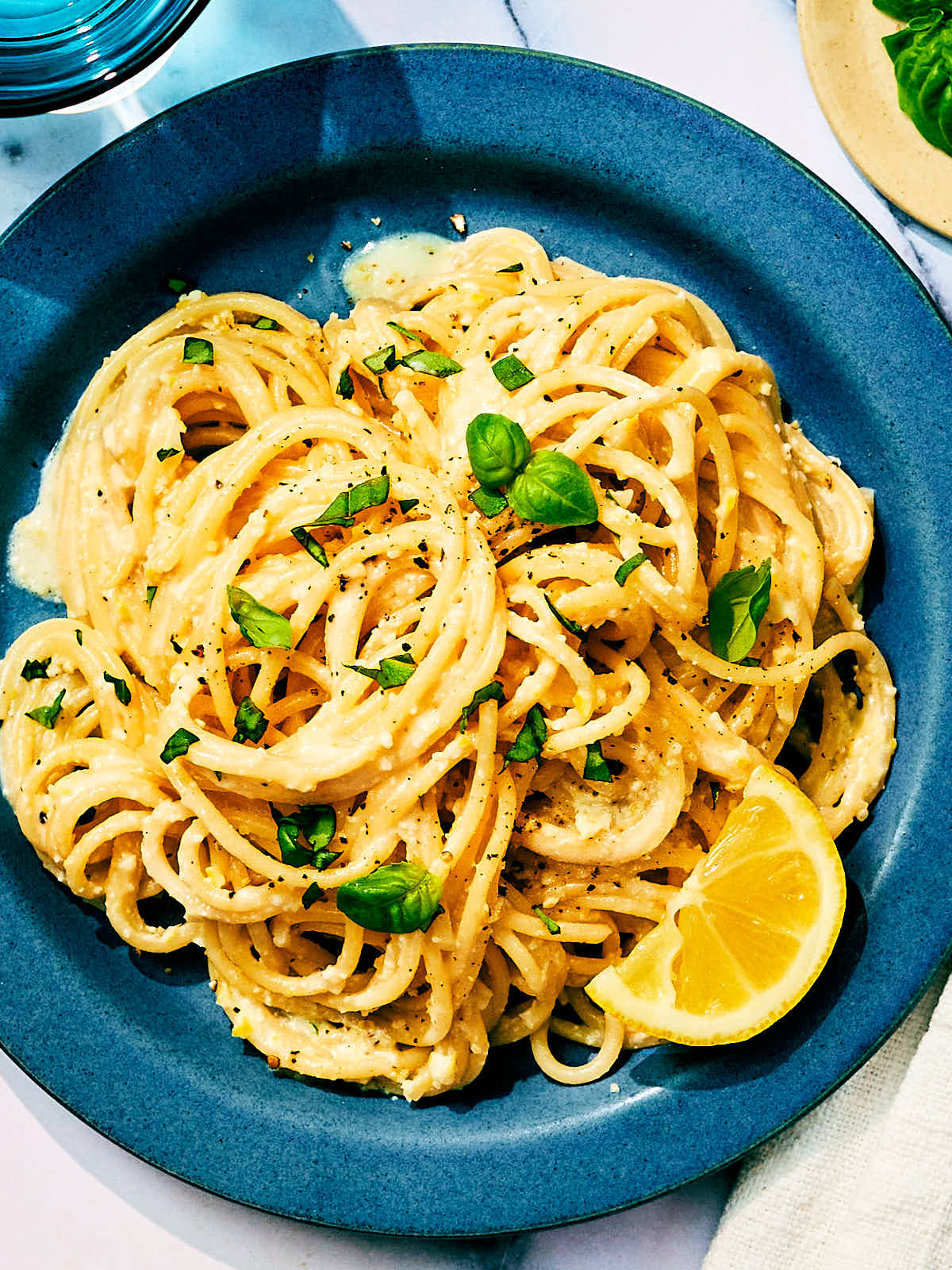
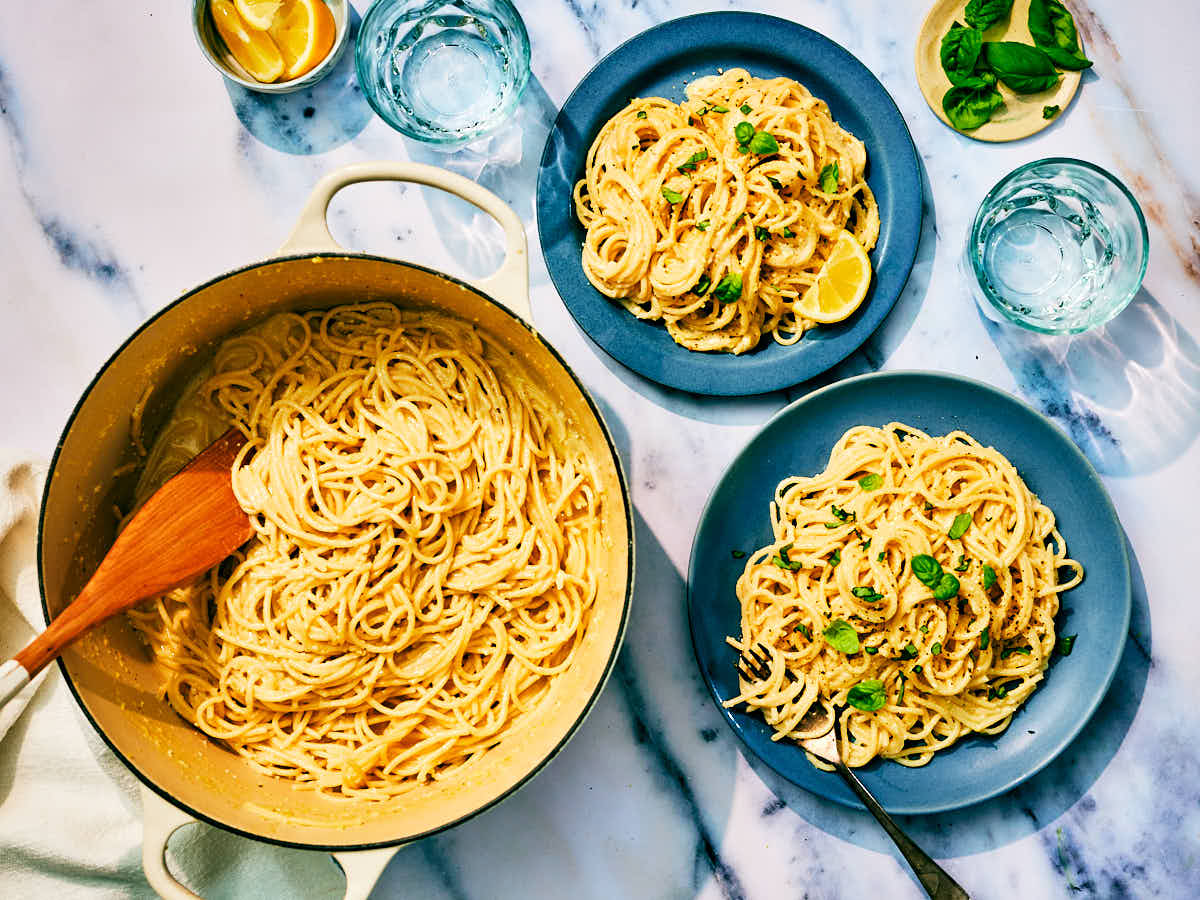
Short on time or ingredients? This Lemon Pesto Pasta is a fresh, vibrant, and budget-friendly meal that comes together fast. The delicious lemon pesto is made without basil and without pine nuts, so it's more budget-friendly too!
Adapted from Milk Street 365, this recipe skips boiling lemon rinds for simplicity. I tested with and without—and the flavor difference was minimal. And it removes the stress if you forget to remove the rinds before adding the pasta (a mistake I made a couple times)! Instead, fresh lemon juice adds more lemony flavor. Using cashews instead of almonds adds natural sweetness, skipping the need for sugar. A touch of butter creates a glossy sauce. This easy, delicious pasta works for any day of the week.
Jump to:
Why you'll love this recipe
- Fast: This weeknight friendly pasta recipe is ready in just 20 minutes!
- Delicious: Lemon lovers rejoice! This simple, bright pasta is bursting with fresh lemon, salty parmesan cheese, and a bit of butter to make a luscious sauce without cream.
- Budget-friendly pesto: Cashews are a creamy, budget-friendly swap for pine nuts in this no-cook lemon pesto. Basil is just for garnish, so feel free to skip it to save money.
- No garlic or onion: I cook with a lot of garlic and onion—but this dish doesn't need it! Great for those with sensitivities or anyone who doesn't feel like doing any chopping.
- Versatile: This lemon pesto pasta works with almost anything! So feel free to pair it with any protein you'd like.

Ingredients (and substitutes)
You only need 6 ingredients (plus salt and pepper) for this Lemon Pesto Pasta. It's the perfect meal when your pantry is running low!
Here's what you need—plus easy ingredient substitutes:
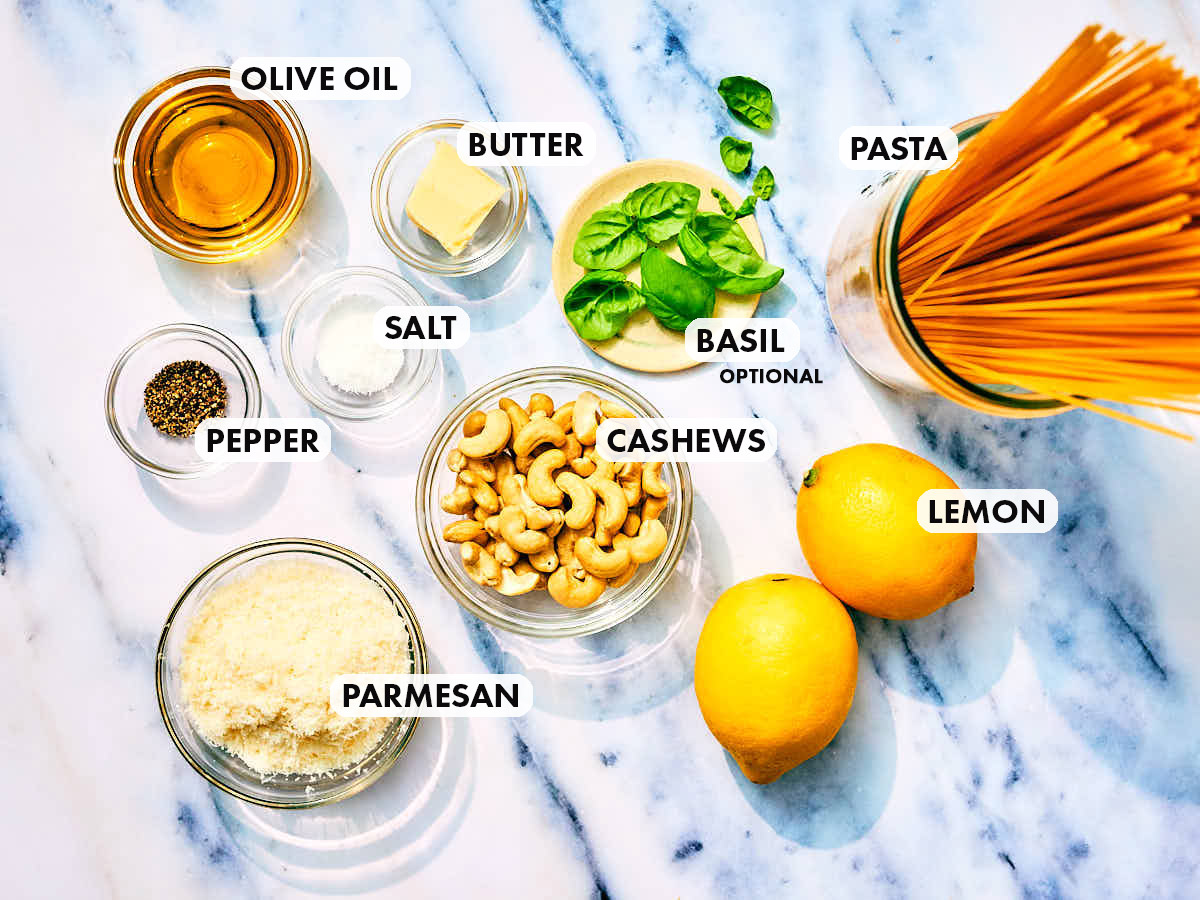
- Pasta: Long noodles, like spaghetti or linguine works well. But feel free to use your favorite pasta.
- Lemon: The rinds of the lemons go into the pesto, plus a bit of fresh lemon juice for zing.
- Cashews: Raw, unsalted cashews make a creamy, budget-friendly pesto. Pine nuts or blanched almonds work too. However, I do find almonds don't get quite as creamy.
- Parmesan: Powdery, finely grated Parmesan tends to meld into these kinds of sauces better than microplaned Parmesan. You can also use the food processor to "grind" chunks of parmesan cheese—before adding the other pesto ingredients. Don't use Parmesan petals or thick shreds.
- Basil (optional): This pesto is made without basil, but fresh basil makes a nice garnish if you have it.
Find the recipe card below for the complete recipe, including all ingredients and instructions.
How to make Lemon Pesto Pasta
This easy recipe comes together in just 20 minutes! Here's how to make it:
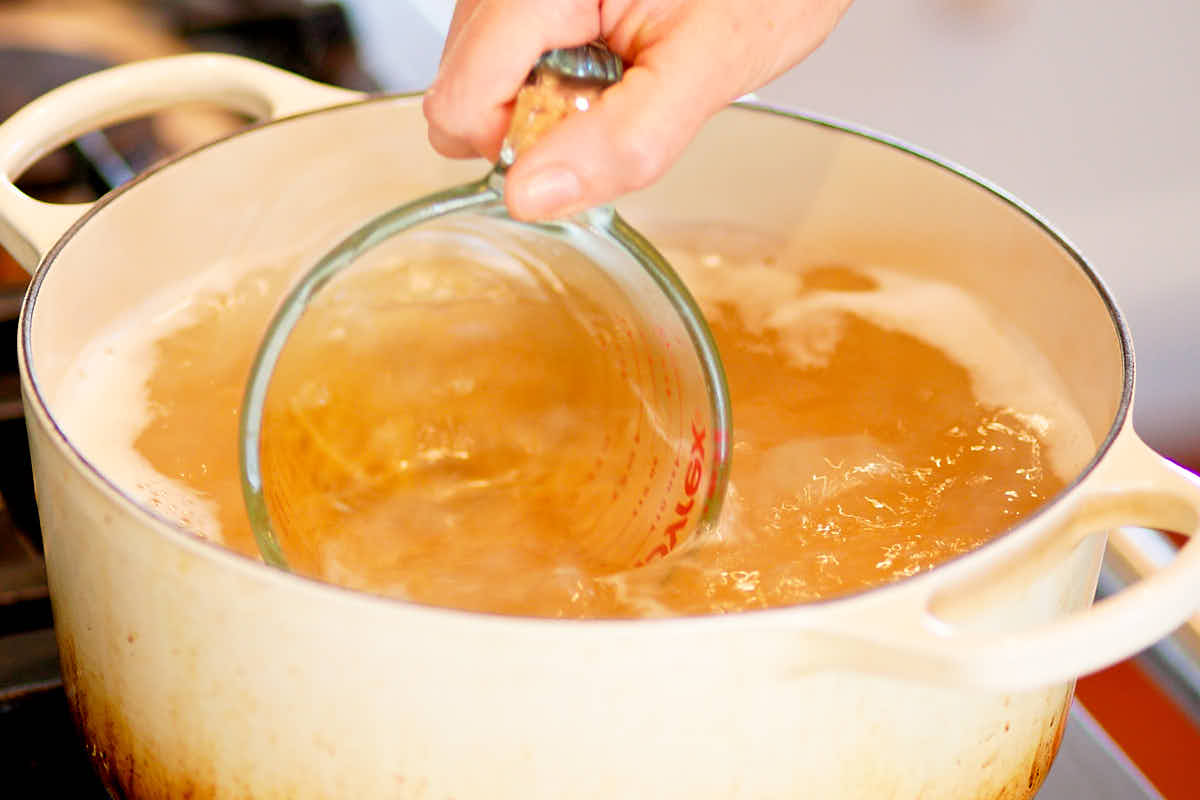
1. Cook pasta in salted water until al dente. Reserve pasta water, then drain pasta.

2. Use vegetable peel to remove lemon rind (avoiding white pith), then squeeze juice.
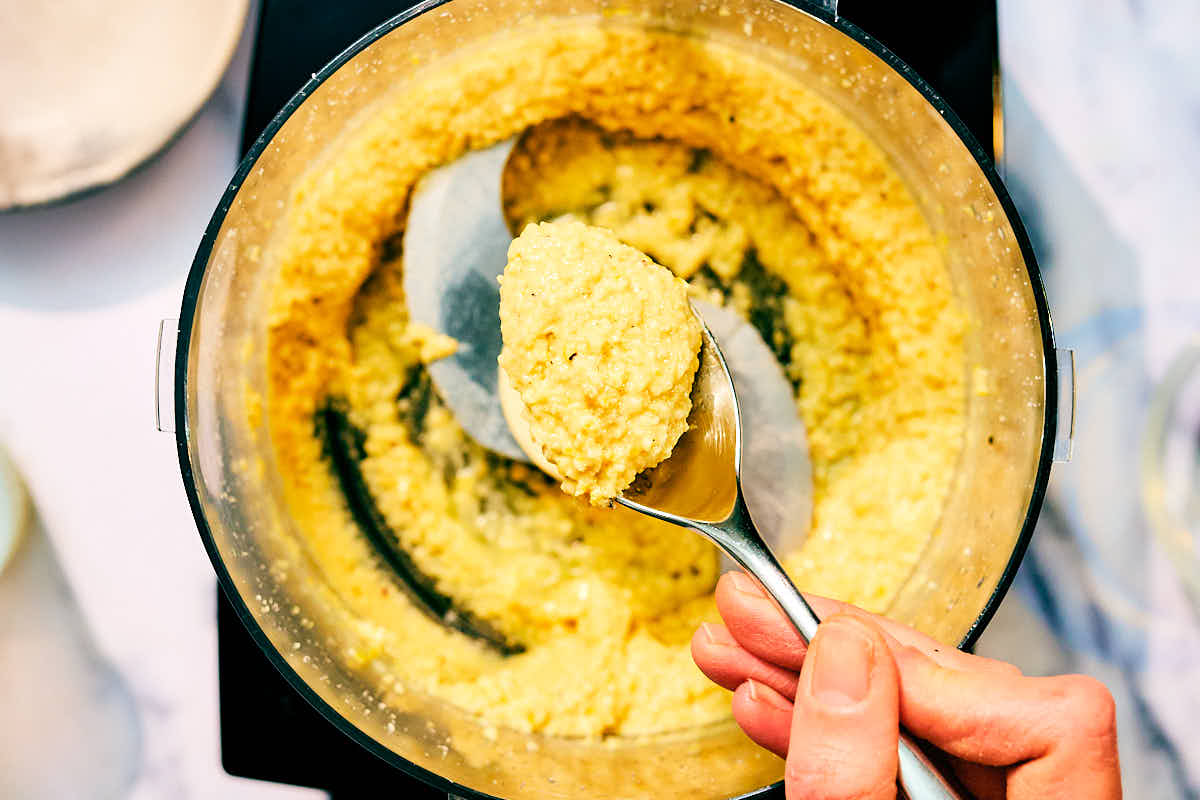
3. Make the lemon pesto in the food processor.
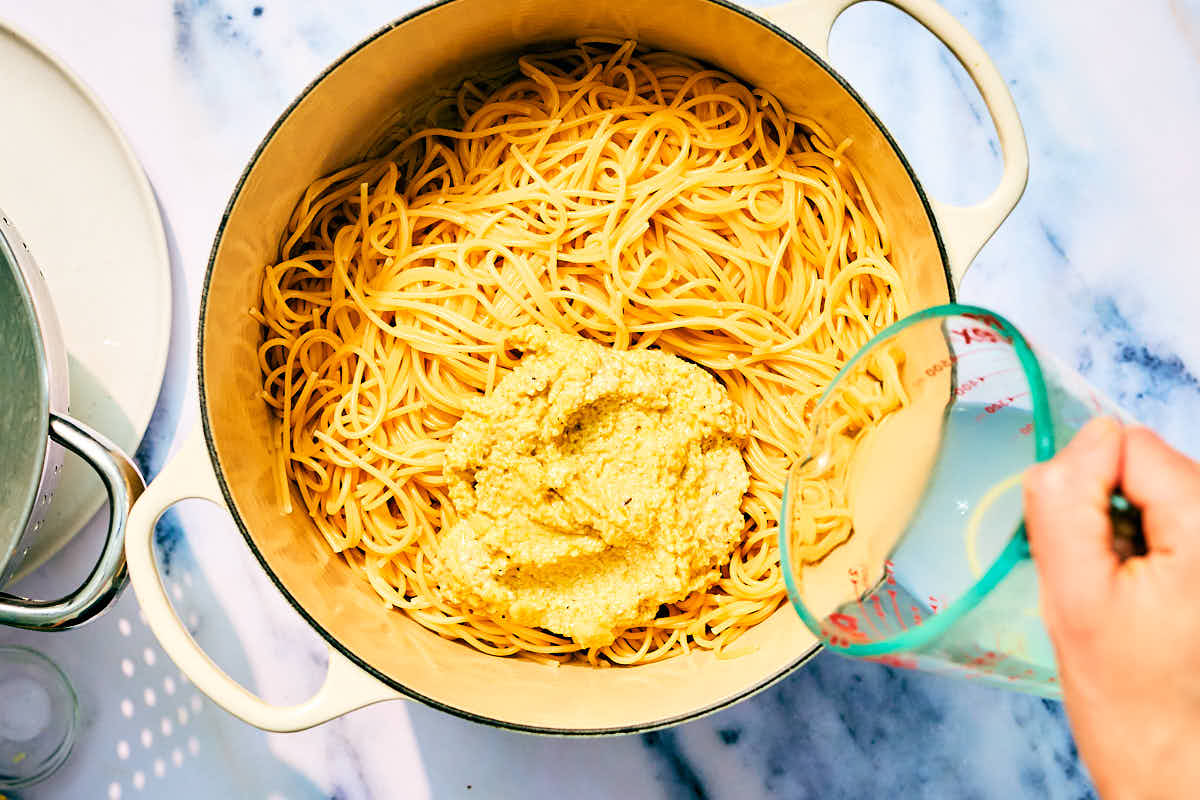
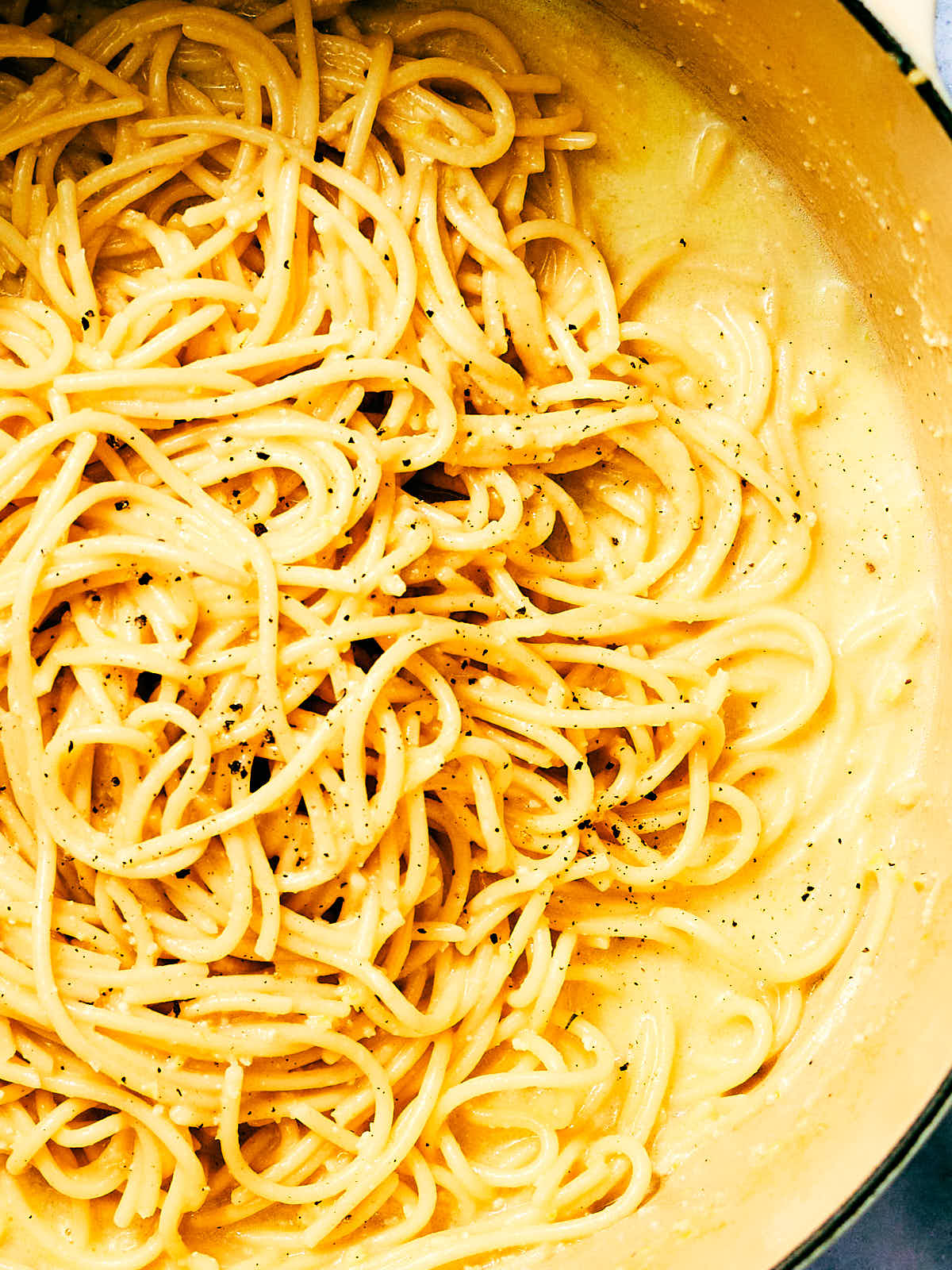
4. Combine cooked pasta, butter, lemon pesto, and pasta water in the pot.
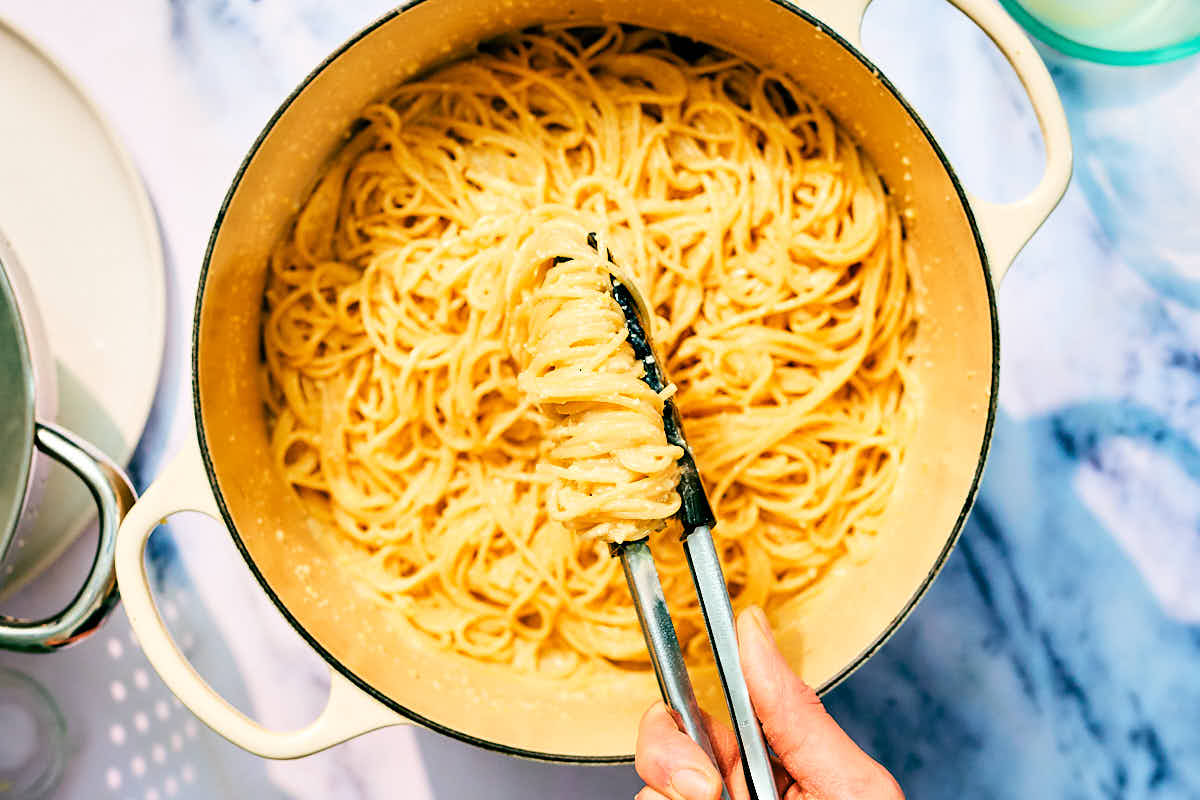
5. Toss well, until noodles are coated in silky sauce. (Add more pasta water as needed).
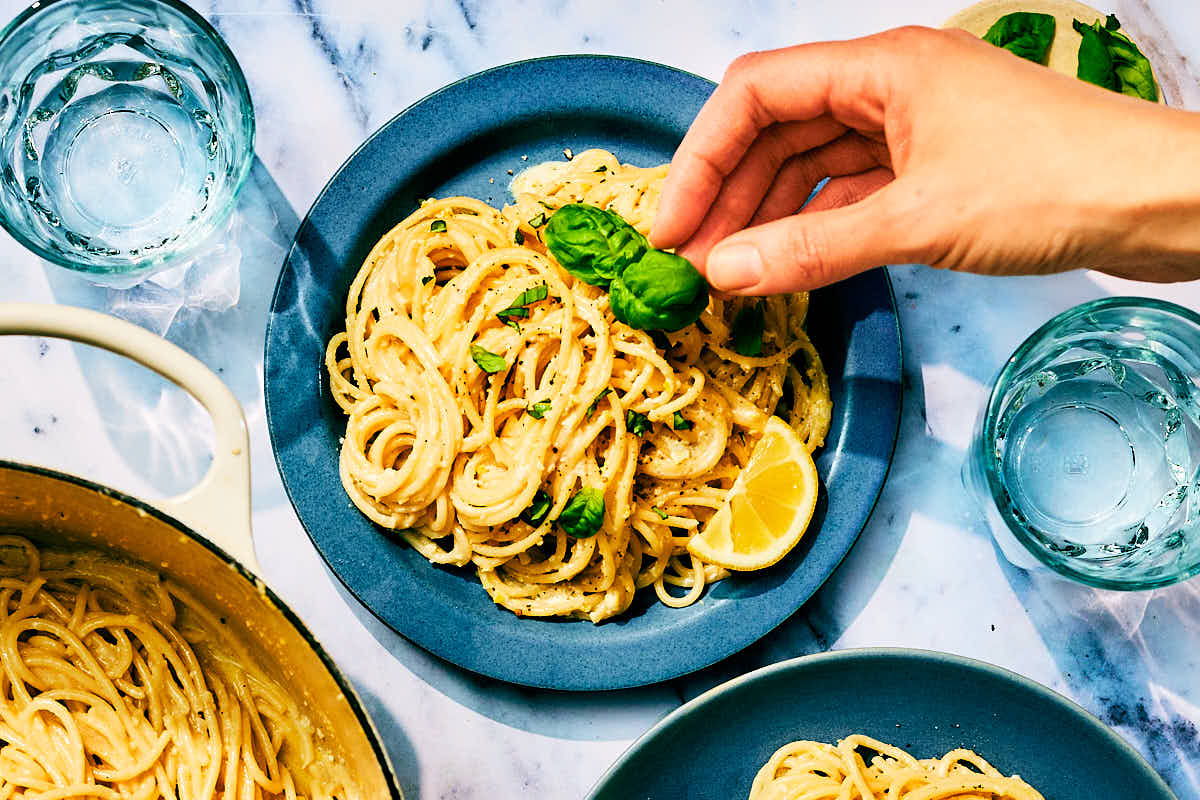
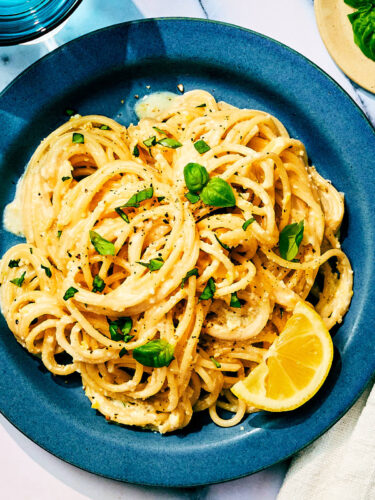
6. Divide hot pasta onto plates—then top with basil and parmesan (optional).
Find the recipe card below for the complete recipe, including all ingredients and instructions.
Tips
- Remove just the rind (no pith): Use a veggie peeler to take off the thin yellow rind, avoiding the bitter white pith underneath. This style of vegetable peeler makes it quite easy.
- You can swap the nuts: You don't have to use pine nuts in pesto! They're surprisingly expensive in North America. Cashews bring creaminess and a touch of sweetness. Or, you can use blanched almonds.
- How Parmesan is grated matters: Powdery Parmesan from a box grater melts most smoothly (source). You can pulse the Parmesan in a food processor, since you're using it for the pesto too! If using a microplane, crumble the shreds with your fingers afterwards to mimic the texture. Weighing cheese is best for accuracy—but if in doubt, use more. Microplaned Parmesan is much lighter than the powdery stuff, so you'd need twice as much volume.
- Don't make more than 2x the recipe at once: Tossing the pasta while hot is key for a creamy, emulsified sauce. Stick to 4 servings max. Otherwise, you'll have too many noodles to toss effectively.
- Remember the pasta water: Starchy pasta water is the secret to a silky sauce without cream. Save plenty before draining!
Save this recipe!



Love this recipe? Please leave a 5-star 🌟🌟🌟🌟🌟 review below!
📖 Recipe
Lemon Pesto Pasta
Ingredients
- ½ lb dried spaghetti (or linguine, see note 1)
- 1 lemon
- ½ oz finely grated Parmesan (about ¼ cup, plus more for garnish, see note 2)
- ¼ cup raw cashews (see note 3)
- 2 tablespoons extra virgin olive oil
- ¼ teaspoon fine sea salt
- ⅛ teaspoon freshly ground black pepper
- 1 tablespoon butter (salted or unsalted)
- finely chopped fresh basil (optional, about 1 to 2 tablespoons)
Instructions
- Cook pasta: Bring a large pot of heavily salted water to boil. Add ½ lb dried spaghetti and cook until al dente. Scoop out ¾ cups pasta water, then drain pasta.
- Prep lemons: Meanwhile, use a vegetable peeler to remove the yellow rind (avoid the bitter white pith beneath) from 1 lemon. Set rinds aside. Cut lemon in half and squeeze until you get 1 tablespoon(s) of lemon juice. Set lemon juice aside. (If you have extra lemons or juice, you can save it for something else).
- Pulse lemon pesto: To a food processor, add all the lemon rind, ¼ cup raw cashews, and ½ oz finely grated Parmesan. Pulse until the consistency of sand. Add the 1 tablespoon of lemon juice, 2 tablespoons extra virgin olive oil, ¼ teaspoon fine sea salt, and ⅛ teaspoon freshly ground black pepper. Pulse, scraping down the sides as needed, until it becomes a pesto-like paste (it won't be perfectly smooth).
- Finish: Return the hot drained pasta to the pot, off the heat. Quickly add 1 tablespoon butter, the lemon pesto, and ⅓ cup of pasta water, tossing well to mix. Add more splashes of reserved pasta water, until the noodles are coated in a silky sauce. (I usually use a total of about ½ cup of pasta water). Taste and season with more salt, if needed. Divide into pasta bowls, and garnish with finely chopped fresh basil and more parmesan.
Notes
- Pasta: A long noodle, like spaghetti, linguini, bucatini or similar is ideal. Otherwise, use your favorite pasta shape.
- Parmesan: You can save time by grating Parmesan in a food processor before making pesto. Keep in mind: 1 oz (28g) is ¼ cup powdery Parmesan (from small holes on box grater) or ½ cup microplaned. Weight is more accurate, but err on the side of more if unsure. If vegetarian, look for Parmesan-style cheese made with "microbial enzymes" rather than "rennet". Or swap a similar cheese, like Asiago.
- Cashews: Use raw unsalted cashews. You can substitute pine nuts. Or use blanched almonds (although they tend not to get as creamy).
- Scaling up: This recipe can be easily made for 2 servings or 4 servings—simply click the "1x" or "2x" button for the ingredient quantities to be calculated for you. I don't recommend scaling up the recipe to more than 4 servings, because it's too difficult to quickly and effectively toss the hot pasta in the sauce.
- Serving tips: This pasta is best made fresh. Leftovers won't be as silky or creamy.



LEAVE A COMMENT